


Can Headphones Damage Your Hearing? What You Need to Know
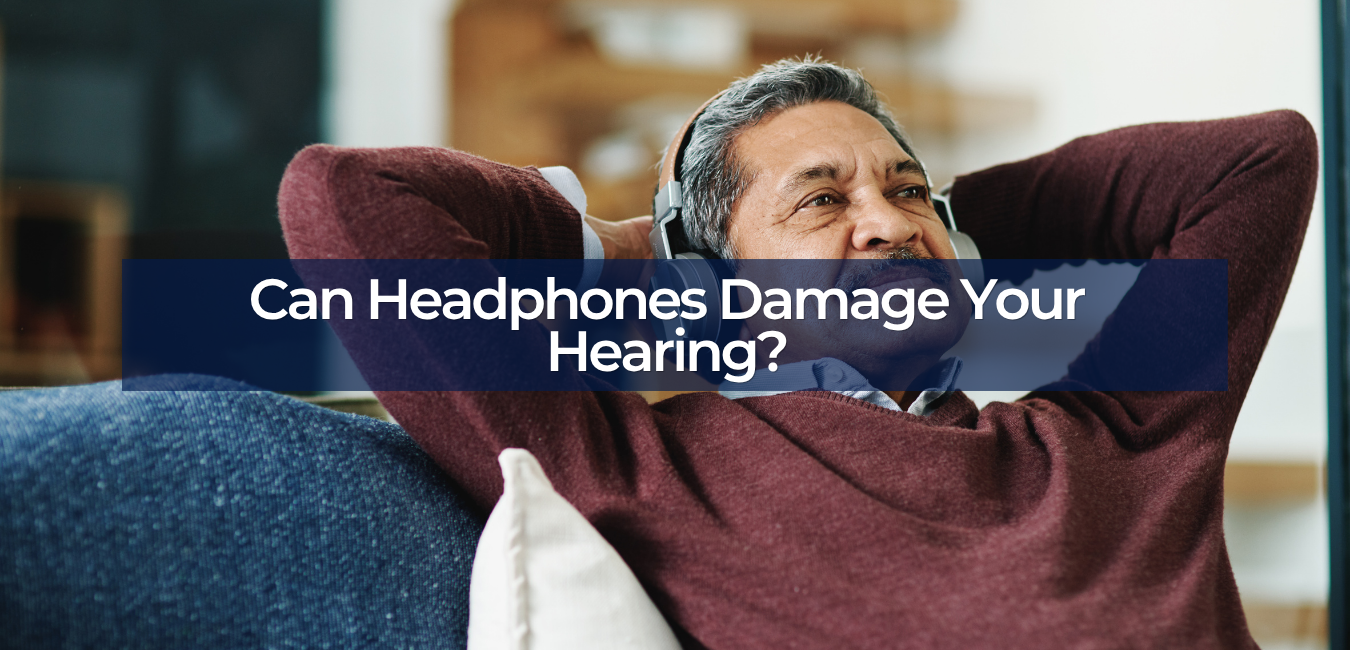
Headphones have become a constant companion for most of us. Whether you’re commuting, working out, working from home, or just unwinding with a podcast at the end of the day. But a question worth asking is: can headphones actually damage your hearing?
The short answer is yes, and it’s more common than most people realize. Listening at high volumes and for long stretches of time puts real strain on your ears. The tricky part is that the damage builds gradually and often goes unnoticed until it’s already permanent.
The good news is that protecting your hearing doesn’t mean giving up your favourite music or podcasts. It just means being a little more intentional about how you listen.
In this article, we’ll cover how headphones affect your ears, the role volume and duration play in hearing damage, which types of headphones are safer, practical tips for listening safely, the warning signs of hearing damage, and when it’s time to see an audiologist.
Key Takeaways
- Listening at high volumes or for extended periods can cause permanent hearing damage over time
- The 60/60 rule: 60% volume for no more than 60 minutes at a time is one of the simplest ways to reduce your risk
- Noise-cancelling and over-ear headphones are generally the safest options because they let you listen at lower volumes
- Early warning signs like ringing in the ears or muffled sounds are worth taking seriously
- Children and teenagers are particularly vulnerable and need extra guidance around safe listening habits
- Regular hearing check-ups can catch early damage before it becomes permanent
How Headphones Affect Your Ears
When you listen through headphones, sound goes directly into your ear canal. Unlike speakers, which disperse audio across a room, headphones deliver concentrated sound waves straight to your eardrum at close range, with nowhere to go.
Over time, repeated exposure to loud volumes damages the tiny hair cells inside your inner ear. These cells are responsible for converting sound vibrations into signals your brain can interpret. Once they’re damaged, they don’t grow back. The hearing loss that results is permanent.
This is called noise-induced hearing loss (NIHL), and headphone use is one of the most common and preventable causes of it, particularly among younger Canadians. Early warning signs include ringing or buzzing in the ears (known as tinnitus), muffled sounds, or a general sense of ear fatigue after listening sessions.
Children and teenagers are especially at risk. Their ears are still developing, they tend to listen at higher volumes, and they often have no awareness that damage is accumulating until it shows up years later.
Volume and Duration
When it comes to headphone-related hearing damage, two things matter above everything else: how loud, and how long.
Volume: Hearing damage begins at around 85 decibels (dB) with prolonged exposure. To put that in perspective, city traffic registers at roughly 85 dB and many smartphones and music apps can push past 100 dB at maximum volume. That’s well into the danger zone, and most people have no idea they’re listening that loudly.
Duration: Even at moderate volumes, continuous listening over several hours causes cumulative stress on your ears. The damage isn’t always immediate — it builds quietly over time, which is exactly what makes it so easy to overlook.
The most widely recommended guideline is the 60/60 rule: listen at no more than 60% of your device’s maximum volume, for no longer than 60 minutes at a stretch. Taking regular breaks gives your ears time to recover and significantly reduces long-term risk.
A good habit is to check your device’s weekly listening report if it has one. Both iPhone and Android devices now offer audio exposure tracking in their health or settings apps. It’s a quick and eye-opening way to see how your habits actually stack up.
Types of Headphones: Which are Safer
Not all headphones carry the same level of risk. The type you choose and how you use it can make a meaningful difference.
- In-ear earbuds sit directly inside the ear canal and deliver sound at very close range. Because they provide little isolation from outside noise, people tend to turn the volume up higher to compensate, which increases the risk of damage significantly
- On-ear headphones rest on top of the ear rather than inside it. They offer slightly better isolation than earbuds but can still cause damage at high volumes over time
- Over-ear headphones cup the entire ear and naturally block more ambient noise, which means you can listen at lower volumes while still hearing clearly. They’re generally the safer choice for extended listening
- Noise-cancelling headphones are among the best options for hearing health. By actively reducing background noise, they eliminate the need to compete with your environment so you can keep the volume lower and still enjoy your audio fully
The safest headphone is ultimately the one you use responsibly. But if you’re going to be listening for long periods, over-ear or noise-cancelling options give you a meaningful head start.
Tips for Listening Safely
Protecting your hearing doesn’t mean giving up music, podcasts, or audiobooks. Simple habits can make a big difference:
- Follow the 60/60 rule: Listen at no more than 60% of the maximum volume for no longer than 60 minutes at a stretch. This gives your ears time to recover and reduces the risk of long-term damage.
- Take regular breaks: Even at moderate volumes, continuous listening can fatigue your ears. Stepping away from your headphones every hour or lowering the volume for a few minutes helps prevent strain.
- Use noise-cancelling headphones: By reducing background noise, these headphones allow you to enjoy sound at lower volumes, which is far safer than constantly turning up the music to block ambient sounds.
- Keep your ears clean and healthy: Wax buildup can increase pressure and make sounds feel muffled, which may tempt you to raise the volume. Regular ear care ensures your hearing stays at its best.
- Monitor for warning signs: Ringing in the ears, muffled hearing, or ear fatigue can all signal that your hearing is being stressed. Recognizing these early signs allows you to adjust your listening habits before permanent damage occurs.
By following these tips consistently, you can enjoy your favorite audio while protecting your hearing for the long term.
Signs You May Have Hearing Damage
Headphone-related hearing damage often creeps in gradually, which is why many people don’t notice it until it’s already progressed. Watch for:
- Persistent ringing, buzzing, or hissing in the ears (tinnitus) especially after listening sessions
- Difficulty following conversations in noisy environments — if restaurants or social gatherings feel harder to navigate than they used to, it’s worth paying attention to
- Needing the volume higher than before to get the same listening experience
- Muffled or distorted sounds that weren’t there previously
- Ear fatigue or a feeling of fullness in the ears after extended listening
Any of these symptoms warrants a break from heavy headphone use and a conversation with an audiologist. The earlier these signs are caught, the more options you have.
When to See an Audiologist
If you use headphones regularly for work, exercise, commuting, or leisure, periodic hearing check-ups should be part of your routine, not just something you do when something goes wrong.
An audiologist can:
- Detect early signs of hearing loss before they become permanent, often before you’ve noticed any symptoms yourself
- Assess your specific risk based on your listening habits, occupation, and lifestyle
- Recommend custom hearing protection if you’re regularly exposed to loud environments, for example at concerts or work
- Provide personalized guidance on safe listening habits tailored to how you actually use audio devices
Even mild, early-stage hearing loss can affect your ability to follow conversations, perform at work, and stay connected socially. The earlier it’s identified, the more effectively it can be managed, and in many cases, further damage can be prevented entirely.
References:
Hearing Solutions (24, April 2024). How to Prevent Noise-Induced Hearing Loss (NIHL). https://www.hearingsolutions.ca/how-to-prevent-noise-induced-hearing-loss/
Hearing Health Foundation (n.d.). What Are Safe Decibels? https://hearinghealthfoundation.org/keeplistening/decibels
Mayo Clinic (08, September 2017). Mayo Clinic Minute: The 60-60 rule for safer listening. https://newsnetwork.mayoclinic.org/discussion/mayo-clinic-minute-the-60-60-rule-for-safer-listening/
Hearing Insider (22, September 2025). Safe Listening With Headphones: How to Prevent Hearing Damage. https://hearinginsider.com/safe-listening-with-headphones
Similar Blogs


- What Level of Hearing Loss Requires a Hearing Aid?
- What to Expect at Your 4-Year Hearing Aid Appointment
- Ménière’s Disease and Hearing Loss: Symptoms, Causes, and Treatment
- Your 3-Year Hearing Aid Check-Up: Hearing, Maintenance, and Ongoing Care
- How Long Do Hearing Aid Batteries Last? A Complete Guide to Hearing Aid Battery Life
- Your 2-Year Hearing Aid Check-Up: What to Expect at Your Annual Hearing Test
- Diabetes, Blood Sugar and Hearing Health: The Role of Nutrition
- October 2026
- September 2026
- August 2026
- July 2026
- June 2026
- May 2026
- April 2026
- March 2026
- February 2026
- January 2026
- December 2025
- November 2025
- October 2025
- September 2025
- August 2025
- July 2025
- May 2025
- April 2025
- March 2025
- February 2025
- December 2024
- November 2024
- September 2024
- July 2024
- April 2024
- January 2024
- November 2023
- October 2023
- September 2023
- August 2023
- July 2023
- June 2023
- May 2023
- April 2023
- March 2023
- January 2023
- December 2022
- October 2022
- September 2022
- August 2022
- July 2022
- June 2022
- May 2022
- April 2022
- March 2022
- February 2022
- January 2022
- December 2021
- October 2021
- September 2021
- July 2021
- May 2021
- April 2021
- February 2021
- January 2021
- December 2020
- November 2020
- October 2020
- June 2020
- March 2020
- January 2020
- December 2019
- June 2019
- April 2019
- March 2019
- February 2019
- January 2019
- October 2018
- September 2018
- December 2017
- November 2017
- October 2017
- September 2017
- August 2017
- June 2017
- May 2017
- April 2017
- March 2017
- January 2017
- December 2016
- November 2016
- September 2016
- August 2016
- July 2016
- June 2016
- May 2016
- April 2016
- March 2016
- February 2016
- January 2016
- November 2015
- October 2015
- September 2015
- August 2015
- July 2015
- June 2015
- May 2015
- April 2015
- March 2015
- February 2015
- January 2015
- December 2014
- November 2014
- October 2014
- September 2014
- August 2014
- July 2014
- June 2014
- May 2014
- April 2014
- March 2014
- February 2014
- January 2014
- December 2013
- September 2013
- August 2013
- July 2013
- June 2013
- May 2013
- April 2013
- December 2012
- August 2012
- May 2012
- April 2012
- March 2012
- February 2012
- May 2011


