


How to Overcome the Stigma Around Hearing Aids
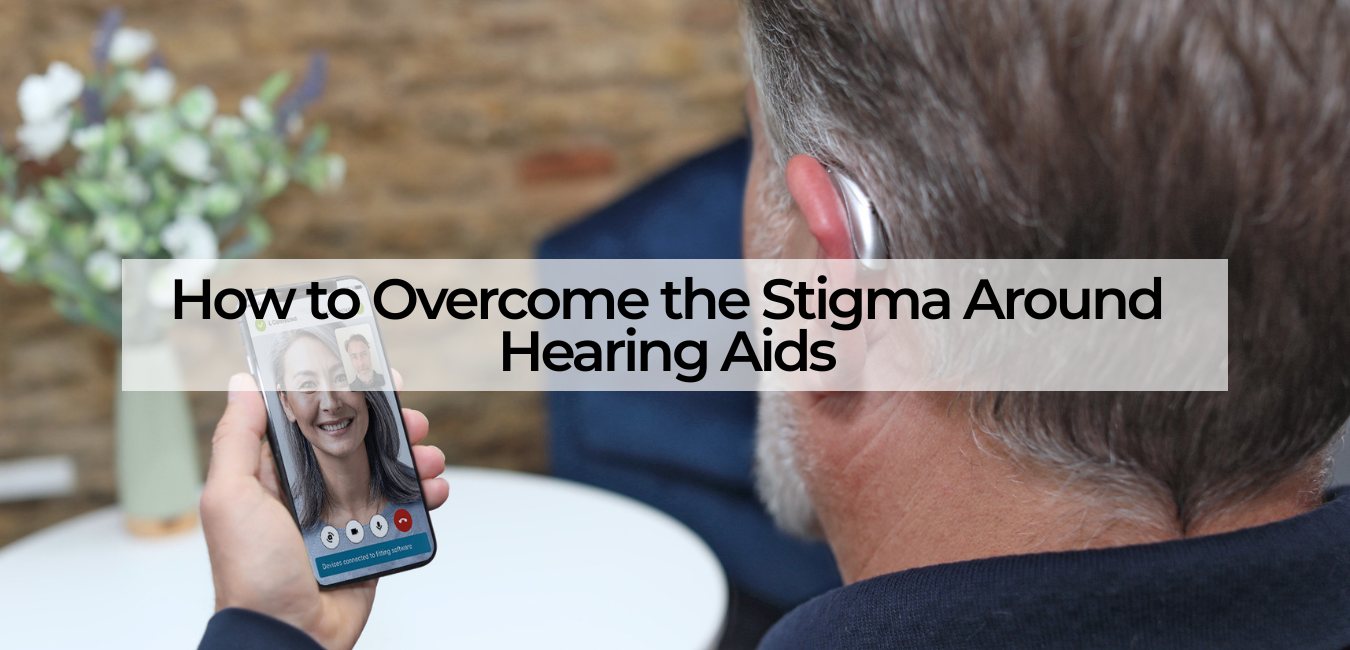
For a long time, hearing aids have carried a quiet stigma. Many people associate them with aging, weakness, or decline. Because of this, millions of people delay getting help, even when they know their hearing is changing.
But here is the reality. Hearing loss is common, manageable, and nothing to be embarrassed about. In fact, choosing to treat it is one of the most proactive decisions you can make for your health and your relationships.
If you have ever hesitated because of how hearing aids might look or what others might think, you are not alone. The good news is that this mindset is changing, and you can be part of that shift.
Key Takeaways
- Hearing aid stigma is common, but it is rooted in outdated perceptions that no longer reflect today’s technology or user experience
- Untreated hearing loss can affect communication, confidence, relationships, and even long-term cognitive health if left unaddressed
- Today’s hearing aids are discreet, highly advanced, and designed to fit seamlessly into modern, active lifestyles
- Confidence often grows once you experience the real-life benefits of better hearing in social, work, and everyday situations
- Open conversations and education play a big role in normalizing hearing aids and reducing outdated assumptions
- Taking action early can help prevent frustration and isolation, making it easier to stay connected to the people and moments that matter
- Hearing aids are not a sign of weakness, they are a proactive step toward maintaining independence and overall well-being
In this article
Why Hearing Aid Stigma Still Exists
Stigma does not appear out of nowhere. It often comes from outdated ideas that have been passed down over time.
In the past, hearing aids were bulky, highly visible, and not always effective. They became associated with aging and limitation rather than empowerment. Even today, those perceptions linger, despite major advances in technology.
There is also a social aspect. People may worry about being judged or treated differently. Some fear it will change how others see them at work, in social settings, or even within their own family.
The truth is, most of these fears are based on assumptions, not reality.
The Real Impact of Untreated Hearing Loss
Avoiding hearing aids might feel easier in the short term, but it often creates bigger challenges over time.
When hearing loss goes untreated, conversations become harder to follow. This can lead to frustration, withdrawal, and even isolation. Many people start avoiding social situations altogether because it feels exhausting to keep up.
There are also broader effects. Studies have linked untreated hearing loss to cognitive decline, reduced work performance, and lower overall quality of life.
Addressing hearing loss is not just about hearing better. It is about staying connected, engaged, and confident in everyday life.
How Modern Hearing Aids are Changing Perceptions
Hearing aids today are nothing like they used to be, and that shift is helping change how people see them.
Many modern devices are small, discreet, and designed to blend in. Some sit deep inside the ear canal and are barely visible, while others have slim, subtle designs that match skin or hair tones. The goal is no longer to draw attention, but to fit naturally into everyday life.
The technology has also improved in a big way. Features like background noise reduction, directional microphones, and automatic environment adjustments help users hear more clearly in places like restaurants, meetings, or busy streets. This makes conversations feel smoother and less tiring.
Many hearing aids now also connect to smartphones and other devices through Bluetooth. That means users can take calls, stream music, and adjust settings directly from an app, which adds convenience and makes the experience feel more familiar.
Because of these improvements, hearing aids are often seen less as medical devices and more as everyday wearable tech. In many ways, they are becoming just as normal as wireless earbuds or smartwatches, which helps reduce stigma and makes them easier to accept.
Practical Ways to Overcome Hearing Aid Stigma
Shifting your mindset takes time, but it is absolutely possible. Here are a few ways to start.
- Reframe what hearing aids mean
Instead of seeing them as a sign of loss, think of them as a tool that helps you stay connected and in control. - Focus on what you gain
Better conversations, less strain, more confidence in social situations. These benefits tend to outweigh any initial hesitation. - Start with the right fit
Working with a hearing care professional ensures you get a device that suits your lifestyle and comfort level. When something feels right, you are more likely to embrace it. - Talk about it openly
The more you normalize hearing aids in conversation, the less power the stigma has. You might even help someone else feel more comfortable seeking help. - Give yourself time to adjust
Like any new habit, wearing hearing aids takes a bit of getting used to. Confidence builds naturally as they become part of your routine.
How to Feel Confident Wearing Hearing Aids
Confidence does not come from hiding. It comes from feeling comfortable in your own choices and knowing you are doing something that improves your day-to-day life.
Start by reminding yourself why you chose hearing aids in the first place. Whether it is to stay engaged in conversations with family, perform better at work, or simply enjoy everyday moments without constantly asking people to repeat themselves, those reasons matter. When you focus on the benefit rather than the device, it becomes easier to feel grounded in your decision.
It can also help to shift your perspective on how others see you. In most cases, people are not paying as much attention as we assume. And when they do notice hearing aids, reactions are often neutral or supportive. Many people are simply curious, especially as hearing technology becomes more common and discreet.
Another part of building confidence is giving yourself time to adjust. At first, anything new can feel noticeable or unfamiliar. But as hearing aids become part of your daily routine, they tend to fade into the background. What stands out more is the improvement in conversations, social situations, and overall ease of communication.
Over time, your focus naturally shifts away from the device itself and toward what it allows you to do. That is where confidence really grows, when hearing well starts to feel normal again.
The Role of Education and Conversation in Breaking Stigma
One of the most effective ways to overcome hearing aid stigma is through awareness.
When people understand how common hearing loss is and how much technology has improved, perceptions start to change. This is why open conversations matter, whether it is with friends, family, or colleagues.
The more we talk about hearing health as a normal part of overall wellness, the less stigma remains.
Next Steps
If you have been putting off hearing aids because of stigma, consider this your sign to rethink that decision. Start with a hearing test. Ask questions. Explore your options. The right support can make all the difference. Choosing to address your hearing is not something to hide. It is something to feel good about.
Similar Blogs


- What Level of Hearing Loss Requires a Hearing Aid?
- What to Expect at Your 4-Year Hearing Aid Appointment
- Ménière’s Disease and Hearing Loss: Symptoms, Causes, and Treatment
- Your 3-Year Hearing Aid Check-Up: Hearing, Maintenance, and Ongoing Care
- How Long Do Hearing Aid Batteries Last? A Complete Guide to Hearing Aid Battery Life
- Your 2-Year Hearing Aid Check-Up: What to Expect at Your Annual Hearing Test
- Diabetes, Blood Sugar and Hearing Health: The Role of Nutrition
- October 2026
- September 2026
- August 2026
- July 2026
- June 2026
- May 2026
- April 2026
- March 2026
- February 2026
- January 2026
- December 2025
- November 2025
- October 2025
- September 2025
- August 2025
- July 2025
- May 2025
- April 2025
- March 2025
- February 2025
- December 2024
- November 2024
- September 2024
- July 2024
- April 2024
- January 2024
- November 2023
- October 2023
- September 2023
- August 2023
- July 2023
- June 2023
- May 2023
- April 2023
- March 2023
- January 2023
- December 2022
- October 2022
- September 2022
- August 2022
- July 2022
- June 2022
- May 2022
- April 2022
- March 2022
- February 2022
- January 2022
- December 2021
- October 2021
- September 2021
- July 2021
- May 2021
- April 2021
- February 2021
- January 2021
- December 2020
- November 2020
- October 2020
- June 2020
- March 2020
- January 2020
- December 2019
- June 2019
- April 2019
- March 2019
- February 2019
- January 2019
- October 2018
- September 2018
- December 2017
- November 2017
- October 2017
- September 2017
- August 2017
- June 2017
- May 2017
- April 2017
- March 2017
- January 2017
- December 2016
- November 2016
- September 2016
- August 2016
- July 2016
- June 2016
- May 2016
- April 2016
- March 2016
- February 2016
- January 2016
- November 2015
- October 2015
- September 2015
- August 2015
- July 2015
- June 2015
- May 2015
- April 2015
- March 2015
- February 2015
- January 2015
- December 2014
- November 2014
- October 2014
- September 2014
- August 2014
- July 2014
- June 2014
- May 2014
- April 2014
- March 2014
- February 2014
- January 2014
- December 2013
- September 2013
- August 2013
- July 2013
- June 2013
- May 2013
- April 2013
- December 2012
- August 2012
- May 2012
- April 2012
- March 2012
- February 2012
- May 2011


